

Disrupted Learning and Development
- The pandemic caused widespread closures of early childhood centers, interrupting critical developmental experiences.
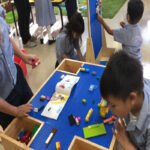
- Children missed out on social interaction, play, and hands-on learning important for cognitive and emotional growth.
- Increased screen time and reduced physical activity have raised concerns over developmental delays.
- Families faced challenges in providing adequate stimulation and learning support at home due to stress and resource limitations.
- The disruption disproportionally affected vulnerable and low-income children, widening existing inequities.
Acceleration of Digital and Remote Learning
- Educators rapidly adapted to online learning, creating new digital resources and virtual engagement methods.
- Remote learning highlighted the need for technology access, digital literacy, and caregiver support.
- Innovations in hybrid models and educational apps remain valuable post-pandemic.
- However, remote methods may not fully replace hands-on, interpersonal learning critical for early years.
- The crisis spurred investment in EdTech targeting early childhood settings.
Increased Focus on Health and Safety
- Pandemic protocols accelerated the integration of health, hygiene, and safety measures in early education.
- Enhanced awareness of infectious disease prevention informs future facility designs and policies.
- Staff training now includes managing health risks alongside educational responsibilities.
- Early childhood programs emphasize emotional well-being and mental health more than before.
- Family engagement in health practices has become integral to program success.
Renewed Emphasis on Family and Community Partnerships
- The pandemic underscored the vital role of families in children’s early learning and care.
- Educators and programs strengthened communication and support for caregivers.
- Flexible, home-centered learning approaches gained prominence and validation.
- Community resources coordinated to address challenges such as food insecurity and mental health.
- Collaboration among stakeholders is seen as critical to resilience in future crises.
Long-term Transformation and Innovation
- The pandemic has permanently reshaped early childhood education towards more adaptable, inclusive systems.
- Emphasis on equity, access, and quality has intensified in public and private sectors.
- Investments in teacher training, digital tools, and blended learning are increasing.
- Curricula are evolving to integrate social-emotional learning, health, and ecological awareness.
- The sector is poised for innovation balancing traditional play with modern pedagogical and technological advances.