

India has adopted a comprehensive inclusive education framework in primary schools to ensure that children of all abilities, backgrounds, and needs receive equitable educational opportunities. This framework is grounded in key legislative acts like the Rights of Persons with Disabilities (RPWD) Act 2016 and the Right to Education (RTE) Act 2009, which guarantee free and compulsory education for all children, including those with disabilities, in their neighborhood schools. The inclusive education policy emphasizes not only access but also meaningful participation by accommodating diverse learning needs through curricular adaptations, accessible infrastructure, and specialized teaching support.
A central tenet of this framework is the establishment of barrier-free and supportive learning environments. Schools are required to provide reasonable accommodations such as ramps, accessible toilets, assistive technology, and resource rooms. Teachers undergo specialized training to equip them with skills for identifying and addressing different learning needs, employing individualized education plans where necessary. The Samagra Shiksha scheme integrates these inclusive provisions, facilitating coordination across levels from pre-primary to secondary education, supported by resource persons and special educators focused on children with disabilities.
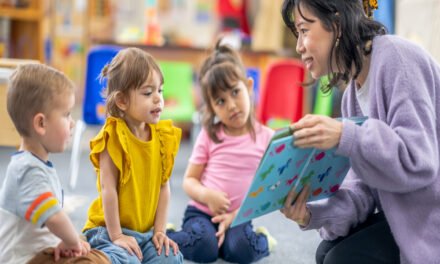
The framework also promotes the celebration of diversity by recognizing differences in culture, language, abilities, and learning styles as strengths to be embraced rather than obstacles. Inclusive classrooms foster peer collaboration, mutual respect, and understanding, helping children develop social-emotional skills alongside academic knowledge. The National Education Policy 2020 further reinforces this approach by advocating early identification and intervention, curriculum flexibility, and assessment reforms that are sensitive to the needs of all learners, thereby reducing stigma and segregation.
Implementation challenges persist, including infrastructure gaps, teacher shortages, and variability across states. However, persistent governmental efforts, supported by monitoring mechanisms and active community participation, continue to strengthen inclusive educational practices. Partnerships with NGOs, training institutes, and international organizations supplement government actions, offering technical assistance and advocacy. Together, these efforts strive to create an inclusive education system where all children, irrespective of their abilities or socio-economic background, can thrive and realize their full potential.