

Introduction
Early experiences play a crucial role in shaping young children’s attitudes toward learning, laying the groundwork for their academic motivation, engagement, and lifelong educational trajectories. These experiences encompass interactions with caregivers, educators, peers, and the broader environment that collectively influence children’s perceptions of themselves as learners and their feelings about school. Positive early learning experiences cultivate curiosity, confidence, persistence, and a love of learning, while adverse or neglectful experiences may lead to avoidance, anxiety, or disinterest. This essay explores the multifaceted ways early experiences influence learning attitudes, emphasizing the interconnectedness of emotional, social, cognitive, and cultural factors.
The Role of Responsive Relationships
At the heart of early experience influencing learning attitudes are responsive, nurturing relationships with adults and peers. Caregivers and educators who are attentive, supportive, and emotionally available provide children with security and encouragement. Such relationships foster a sense of belonging and trust, making children more inclined to explore, experiment, and take learning risks. When children feel valued and understood, they develop positive self-perceptions and motivation to engage in learning activities. Conversely, inconsistent or unresponsive interactions may hinder the formation of confident learning attitudes.
Early Brain Development and Learning Readiness
Neuroscientific research underscores that early experiences significantly impact brain architecture, affecting attention, memory, self-regulation, and executive functioning—key cognitive components underlying positive learning attitudes. Enriched environments with stimulating, meaningful activities promote neural connections related to problem-solving and curiosity. Conversely, chronic stress or trauma in early years can impair these brain functions, leading to difficulties in concentration and motivation. Early learning experiences that nurture cognitive growth thus directly support the development of positive attitudes and capacities for sustained engagement.
Influence of Early Learning Environments
The quality and nature of early learning environments—be they home, community, or preschool settings—profoundly shape attitudes toward learning. Environments rich in diverse, age-appropriate materials, play opportunities, and exploration invite active participation and joyful discovery. Educators who create safe, inclusive, and culturally responsive spaces enable children to connect learning to their identities and interests. These affirming environments foster intrinsic motivation and positive emotional associations with learning. Contrastly, sterile or overly rigid environments may evoke disengagement or fearfulness, dampening enthusiasm.
Impact of Early Successes and Challenges
Children’s early experiences of success and mastery significantly affect their learning attitudes. Experiences marked by achievable challenges and proper scaffolding build confidence and persistence, encouraging children to embrace future learning endeavors. Recognizing effort and progress reinforces a growth mindset, where children see abilities as improvable through practice. Conversely, repeated failure or neglect of accomplishments may foster feelings of inadequacy, frustration, or learned helplessness, questioning the value or attainability of learning. Early positive feedback loops thus shape resilient, motivated learners.
Cultural and Linguistic Contexts
Early experiences are mediated by cultural and linguistic backgrounds that influence children’s perspectives on learning. When early childhood programs honor and integrate children’s home languages, traditions, and worldviews, children feel respected and validated, promoting positive attitudes toward learning. Exposure to multicultural learning experiences broadens horizons and fosters openness and curiosity. Conversely, environments that marginalize children’s cultural identities risk alienation and reduced motivation. Educators who promote cultural competence play a vital role in reinforcing inclusive, positive learning attitudes.
Socialization and Peer Influence
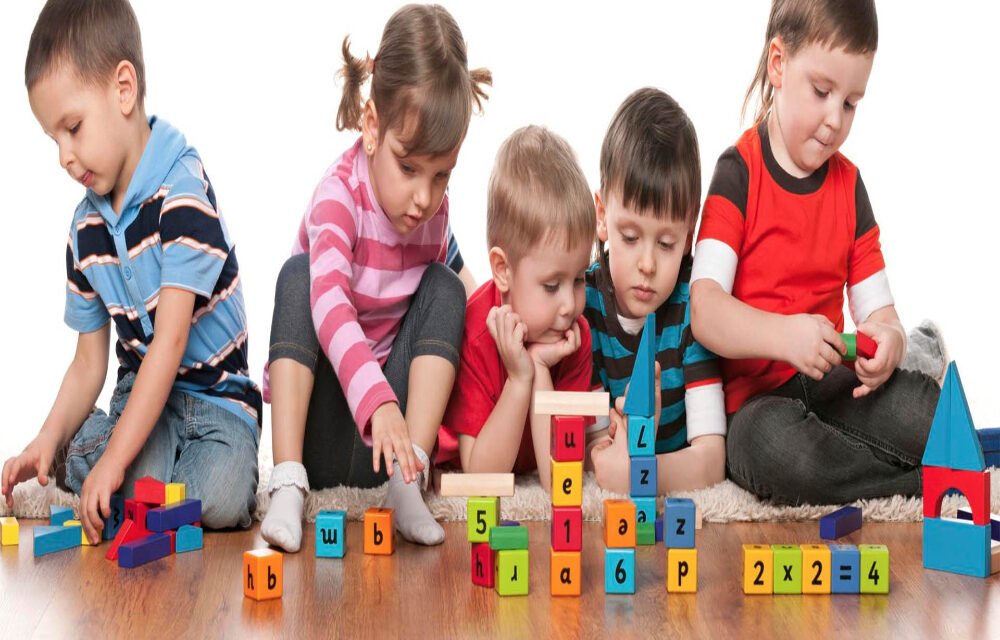
Early social interactions with peers contribute substantially to children’s perceptions of learning. Collaborative play, group projects, and peer mentoring encourage sharing of knowledge, problem-solving, and constructive feedback. Positive peer experiences foster engagement, enjoyment, and a sense of community in learning settings. Children internalize peers’ enthusiasm or struggles toward learning, shaping their own attitudes accordingly. Teachers facilitating positive peer dynamics strengthen social capital and motivation, creating a cooperative learning culture from the start.
Family Beliefs and Expectations
Families are primary influencers of children’s attitudes toward education. Early messages from parents and caregivers—explicit and implicit—about the value of learning, school, and effort shape children’s expectations and motivation. Supportive family involvement through reading, conversation, and encouragement fosters positive learning orientations. In contrast, families facing educational barriers or undervaluing formal education may inadvertently shape apprehensive or skeptical attitudes. Effective communication and partnership between educators and families are crucial for bridging gaps and fostering shared, empowering attitudes to learning.
The Role of Play in Attitude Formation
Play, central to early childhood experiences, nurtures positive learning attitudes by combining enjoyment with skill development. Play promotes curiosity, exploration, creativity, and problem-solving in intrinsic, self-directed ways that sustain motivation. Successful play experiences bolster confidence and persistence, teaching children to overcome challenges and celebrate achievements. Through play, children develop positive emotional associations with learning processes, laying foundations for lifelong curiosity and resilience. Educators leveraging play as learning mediums harness these powerful attitudinal benefits.
Conclusion
Early experiences profoundly shape children’s attitudes toward learning via intertwined emotional, cognitive, social, cultural, and familial pathways. Responsive relationships, enriched environments, successes, socialization, and cultural affirmation cultivate curiosity, motivation, and resilience essential for academic and personal growth. Recognizing the complexity and significance of these influences enables educators and families to intentionally foster positive learning mindsets from birth through early childhood. These foundational attitudes not only enhance immediate engagement and achievement but also support lifelong educational journeys and well-being.
Hashtags
#EarlyLearning #ChildDevelopment #LearningAttitudes #PositiveMotivation #ResponsiveTeaching #PlayBasedLearning #FamilyEngagement #CulturalCompetence #SocialEmotionalLearning #GrowthMindset #InclusiveEducation #EarlyChildhood #LearningEnvironment #PeerInteraction #EarlySuccess #BrainDevelopment #ResilientLearners #EducationalEquity #LearningReadiness #Scaffolding #ReflectiveTeaching #FutureReady #CognitiveGrowth #TeacherRole #PersonalizedLearning