

Introduction
Curriculum design in Early Childhood Education (ECE) is a critical process that shapes the learning experiences of young children during their most formative years. It involves the thoughtful planning, organization, and structuring of educational content, activities, and environments to support children’s holistic development. The aim is to create a learning framework that is child-centered, flexible, and inclusive to nurture cognitive, social, emotional, physical, and language growth effectively. A well-designed curriculum not only reflects current knowledge about child development but also adapts to the unique needs, interests, cultural contexts, and backgrounds of the learners. Understanding the principles and purposes of curriculum design helps educators to craft meaningful, engaging, and relevant learning experiences that prepare children for lifelong learning and well-being.
Child-Centeredness as the Core Principle
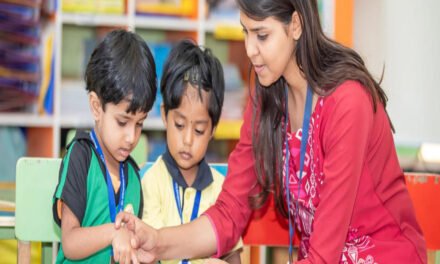
At the heart of curriculum design in ECE lies the principle of child-centeredness. This means that the curriculum is built around the needs, interests, motivations, and concerns of the child rather than rigid, predetermined content. Educators observe and listen to children, adapting learning opportunities to align with their developmental stages and personal curiosities. This approach respects each child’s individuality and promotes active engagement, autonomy, and creativity. The child-centered curriculum fosters a sense of ownership and motivation in learning, which is essential for deeper understanding. It also encourages educators to view children as capable and competent learners, thus shaping pedagogical strategies that empower rather than restrict.
Holistic and Integrated Learning
Curriculum design in early childhood emphasizes holistic learning, recognizing that development in young children is interconnected across multiple domains—cognitive, social-emotional, language, physical, and creative. Effective curricula integrate these developmental areas rather than compartmentalizing them. For example, a single activity may promote language through storytelling, social skills through collaborative play, and motor development through hands-on manipulation. Integration promotes deeper and more meaningful learning by connecting concepts and skills across domains. The curriculum also supports the development of executive functions such as problem-solving, attention, and self-regulation, essential for future academic and life success.
Flexibility and Responsiveness
Young children’s development is highly variable and dynamic, which demands a flexible and responsive curriculum. Rather than following a fixed timetable or rigid sequence, an effective curriculum in ECE is adaptable to children’s changing interests, needs, and readiness. Flexibility allows educators to incorporate spontaneous learning moments and to differentiate instruction for diverse learners, including those with additional needs. By remaining responsive, educators ensure that learning remains relevant and engaging, which enhances motivation and participation. This characteristic also allows for cultural and contextual adaptation, making the curriculum relevant to the children’s lives and community.
Emphasis on Play-Based Learning
Play is widely recognized as the primary mode through which children learn in early childhood. A well-designed curriculum integrates play-based learning as a key strategy. Through play, children explore their environment, experiment with ideas, express emotions, and develop social relationships. Play-based curriculum ensures that children learn in a joyful, meaningful, and self-directed manner while developing critical thinking, creativity, and communication skills. Educators facilitate this by providing rich, stimulating environments and opportunities for varied types of play—dramatic, sensory, physical, and constructive—supporting both child-led and guided play experiences.
Inclusion and Cultural Relevance
Inclusive curriculum design ensures equitable access to learning for all children, regardless of abilities, cultures, languages, or backgrounds. It respects and celebrates diversity by integrating culturally relevant content and practices, supporting bilingualism, and promoting positive attitudes toward difference. Inclusion also means removing barriers that might impede participation and providing adaptations as needed. A culturally responsive curriculum helps children develop a strong sense of identity and belonging, and it fosters respect and understanding among peers. By reflecting the children’s lived experiences, the curriculum becomes more engaging and meaningful, enhancing the overall quality of education.
Coherence and Progression in Learning
A coherent curriculum provides a clear pathway through which children’s learning and development progress in meaningful sequences. This principle ensures that content and skills build logically and cumulatively over time, creating continuity and depth. In early childhood, this means curriculum designers carefully consider developmental progressions—what children typically learn at different ages—and create activities that challenge children just beyond their current levels of mastery. Well-structured progression supports confidence and success, preventing gaps or unnecessary repetition. It also facilitates communication among educators, families, and future educational settings about children’s learning trajectories.
Collaborative and Reflective Practice
Curriculum design is not a solitary endeavor but a collaborative and reflective process involving educators, families, and communities. Collaborative curriculum development encourages sharing diverse perspectives and expertise, leading to richer, more contextualized learning experiences. Additionally, reflective practice is vital for evaluating curriculum effectiveness and adapting it over time. Educators assess how children respond to various learning experiences, incorporate emerging research and pedagogical advances, and innovate to better serve children’s needs. This ongoing cycle of collaboration and reflection ensures that curriculum design remains dynamic, relevant, and impactful.
Assessment and Documentation Integration
An effective curriculum incorporates assessment and documentation as integral components, rather than add-ons. Formative assessments guide educators to understand children’s evolving skills and interests, informing and personalizing teaching strategies. Documentation—through portfolios, anecdotal records, or digital tools—captures evidence of learning and development, providing a basis for reflection and communication with families. When assessment is embedded within the curriculum process, it supports learning rather than merely measuring it. This integrated approach helps maintain a holistic focus on the child’s progress, strengths, and areas needing support, enhancing individualized and meaningful educational experiences.
Conclusion
Curriculum design in Early Childhood Education is a complex, multidimensional process grounded in principles of child-centeredness, holistic integration, flexibility, and inclusion. It prioritizes play-based, culturally relevant, and meaningful learning experiences that support children’s development across domains. A coherent and progressive curriculum scaffolds learning appropriately over time, while collaboration, reflection, and assessment ensure continual improvement and responsiveness. By thoughtfully designing curricula that value children’s individuality and context, educators create rich environments where young children can flourish, develop confidence, and acquire foundational skills that serve them throughout life. Curriculum design thus serves as the roadmap guiding quality early education and nurturing the potential of every child.
Hashtags
#EarlyChildhoodEducation #CurriculumDesign #ChildCenteredLearning #PlayBasedLearning #HolisticDevelopment #InclusiveEducation #CulturalRelevance #EarlyLearning #EducationalPlanning #FlexibleCurriculum #ProgressionInLearning #ReflectivePractice #CollaborativeTeaching #AssessmentInECE #ChildDevelopment #ExecutiveFunction #EarlyYears #LearningEnvironment #FamilyEngagement #CurriculumIntegration #DiversityInEducation #LifelongLearning #PersonalizedLearning #MeaningfulExperiences #EducationForAll