
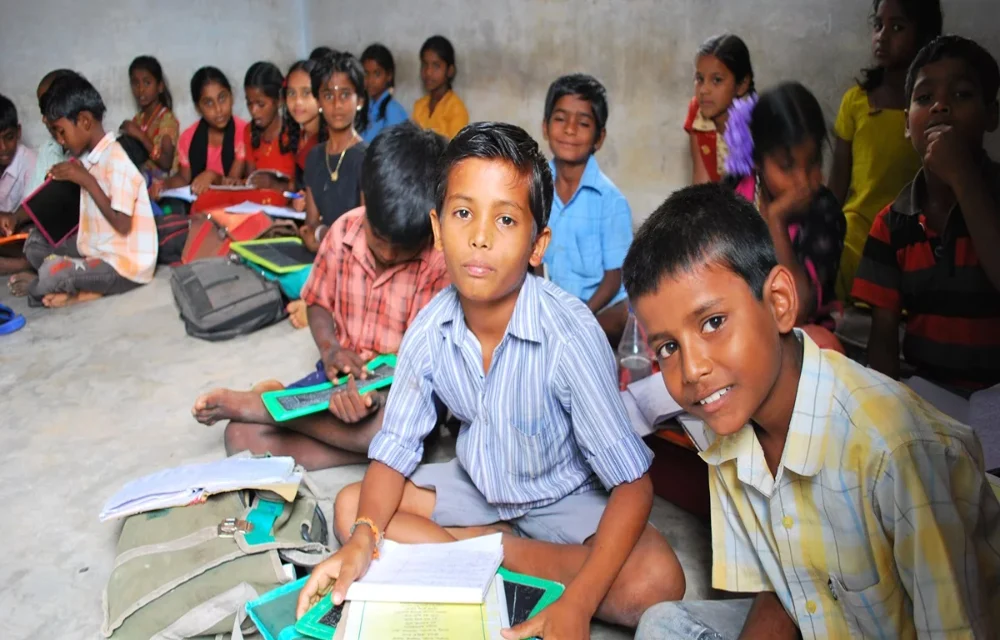
Non-governmental organizations (NGOs) play a vital role in providing free preschool access to children from low-income families, addressing barriers related to affordability and availability. These organizations establish and operate preschools in underserved communities, ensuring that children who might not otherwise have access to early education receive quality learning experiences. By focusing on holistic development, these programs enhance school readiness and bridge gaps caused by socioeconomic disadvantages.
NGOs leverage community involvement to identify eligible children and engage parents in the educational process, fostering supportive environments beyond the classroom. Many organizations offer supplementary services, including nutrition, health screenings, and parental education, recognizing that a child’s well-being significantly impacts learning outcomes. Through partnerships with local stakeholders and governments, NGOs scale initiatives and ensure sustainability.
In addition to direct educational provision, NGOs often innovate in curriculum design and teacher training tailored to community needs and cultural contexts. Programs emphasize language development, social-emotional skills, and foundational literacy and numeracy, using low-cost, evidence-based teaching methods tailored for resource-limited settings. This approach ensures both relevance and effectiveness in diverse environments.
Notable examples such as Pratham, Smile Foundation, and Akanksha Foundation have demonstrated significant impact, reaching millions of children annually. Their models highlight the importance of integrated, community-centered approaches to early childhood education, advocating for policy support and increased investment. Through their work, NGOs contribute substantially to closing educational equity gaps and empowering disadvantaged children to achieve their full potential.