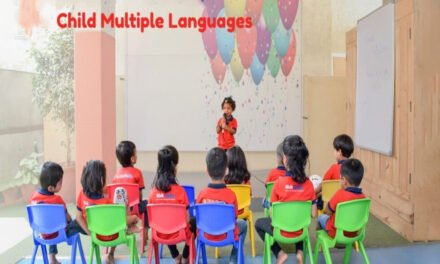


Play-based learning has gained widespread recognition globally for its profound benefits in early childhood education. This approach prioritizes child-led exploration and discovery through play, nurturing curiosity and creativity while building essential cognitive skills. As children engage in activities like constructing with blocks, role-playing, or solving puzzles, they naturally develop critical thinking and problem-solving abilities. Unlike traditional rote learning, play-based learning fosters active engagement, making educational concepts meaningful and memorable at a young age.
The social and emotional development of children is greatly enhanced through play-based learning. In group play, children practice cooperation, empathy, and conflict resolution, skills that are crucial for building healthy relationships both inside and outside the classroom. Play encourages children to express their emotions and learn self-regulation by navigating situations such as waiting for turns or handling disappointment. These experiences lay a strong foundation for emotional intelligence and resilience, which supports lifelong well-being.
Physical development is another vital aspect of play-based learning. Both fine motor skills, like manipulating small objects, and gross motor skills, such as running, jumping, and climbing, improve through active play. These physical milestones contribute to overall health and prepare children for more structured learning activities. Furthermore, movement-based play stimulates brain development, linking physical activity with cognitive growth. This holistic development is a key reason play-based learning has become a preferred pedagogical approach worldwide.
Lastly, play-based learning fosters a love of learning that can last a lifetime. When children associate learning with joy and personal interest, they become motivated and curious learners who are eager to explore new ideas. This intrinsic motivation supports continuous intellectual growth beyond early education. Globally, educators and policymakers recognize that integrating play into the curriculum not only enhances academic readiness but also helps develop well-rounded individuals, equipped with social, emotional, creative, and cognitive strengths essential for their future.