
Promotes Equal Access to Learning
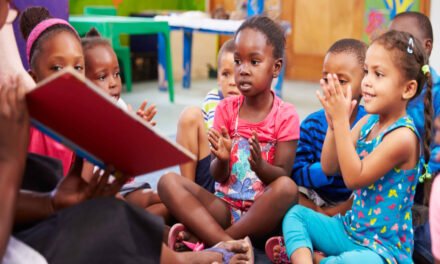
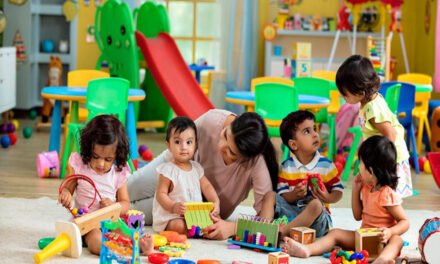
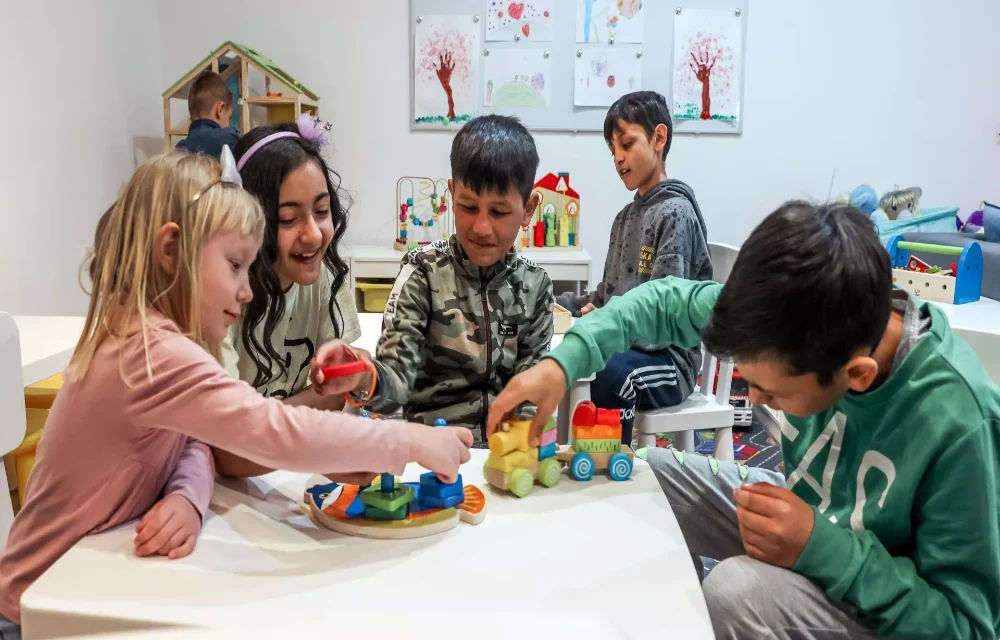
- Inclusive education ensures that children of all abilities, backgrounds, and needs learn together in the same environment.
- It removes barriers to participation, providing equitable educational opportunities globally.
- Access to resources and tailored support helps every child reach their potential.
- This approach counters segregation, fostering education as a universal right.
- Inclusive systems create a foundation for lifelong learning and social inclusion.
Enhances Social and Emotional Development
- Inclusion fosters empathy, acceptance, and respect among diverse peers.
- Children learn to value differences, developing social skills and emotional resilience.
- Early exposure to diversity promotes positive attitudes and reduces stigma toward disabilities.
- Supportive environments nurture a sense of belonging and self-esteem.
- These social-emotional gains influence lifelong personal and community relationships.
Improves Academic Outcomes and Engagement
- Inclusive classrooms encourage collaboration, peer learning, and differentiated instruction.
- Research shows inclusive education can raise academic achievement for all children.
- Tailored supports meet individual learning styles and needs effectively.
- Inclusive settings nurture motivation, curiosity, and love for learning.
- Early success bolsters self-confidence and future educational engagement.
Supports Families and Communities
- Inclusion involves families and professionals working collaboratively to support children.
- It builds community understanding and shared responsibility for education.
- Inclusive early childhood programs connect children with diverse cultural and linguistic experiences.
- Strong family-school partnerships promote continuity of learning and well-being.
- Communities develop more accepting and supportive attitudes toward diversity.
Global Movement Toward Inclusive Education
- International frameworks like the UN Convention on the Rights of the Child promote inclusive education.
- Countries are adopting policies and standards to integrate inclusion in early learning systems.
- Inclusive education aligns with Sustainable Development Goals for quality education and equality.
- Ongoing research and advocacy shape practices and resource allocation worldwide.
The global shift toward inclusion is redefining early learning as a holistic, equitable endeavor.