
Introduction
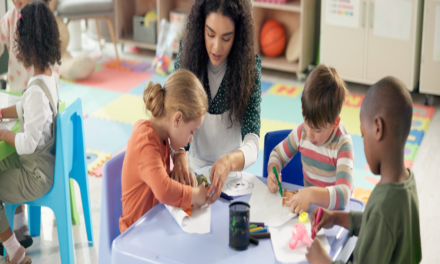
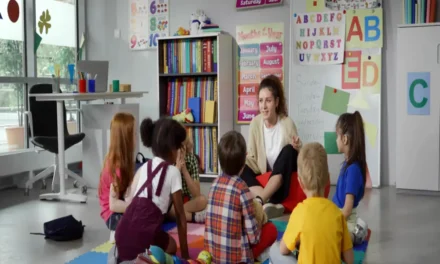
Effective management of group activities is essential for fostering a productive, engaging, and harmonious learning environment. Group activities offer numerous educational benefits, including fostering collaboration, communication, problem-solving, and social skills. However, without careful planning and facilitation, these activities can quickly become chaotic and ineffective. Educators play a pivotal role in structuring, guiding, and supporting group interactions to maximize learning outcomes and positive social experiences. This essay explores strategies and principles educators use to manage group activities effectively, highlighting the importance of clear expectations, group dynamics, scaffolding, and reflective practices.
Establishing Clear Objectives and Expectations
Effective group activity management begins with clearly defined goals and learning objectives. Educators must communicate the purpose of the activity, the expected outcomes, and specific roles or tasks within the group. Clear guidelines help children understand what is expected of them, reducing confusion and off-task behavior. Rules regarding respect, turn-taking, and cooperation should be established collaboratively where suitable, giving children ownership over group norms. When learners know the why and how of the activity, they are more motivated and focused in their engagement.
Forming Balanced and Thoughtful Groups
The composition of groups critically impacts their success. Educators thoughtfully form groups considering diverse abilities, interests, social dynamics, and personalities. Balanced groupings promote peer learning by mixing different skill sets and backgrounds, avoiding clustering of similar or disruptive students. Group size also matters; small groups allow more active participation and easier management, while larger groups might be suited for complex tasks requiring diverse input. Flexibility in group formation enables teachers to respond to evolving classroom needs and individual differences.
Providing Structure and Scaffolding
While group activities encourage autonomy, educators must provide appropriate structure and support to guide collaboration. This includes breaking tasks into manageable steps, providing templates or checklists, and offering examples or clarifying instructions. Scaffolding helps students stay on track and build problem-solving skills incrementally. Teachers monitor groups closely, intervening when necessary to facilitate communication, mediate conflicts, or refocus efforts. The balance between guidance and independence fosters confidence and competence in group work.
Encouraging Positive Communication and Social Skills
Communication is the foundation of effective group collaboration. Educators promote active listening, respectful dialogue, and constructive feedback during group activities. Teaching and modeling vocabulary for expressing ideas, disagreements, and compliments enhances children’s interaction quality. Role-playing and social stories can prepare children to navigate social complexities, such as negotiating roles or resolving disputes. Positive social skills cultivated during group activities transfer beyond the classroom, supporting lifelong interpersonal competencies.
Managing Conflict Constructively
Conflicts inevitably arise in group settings due to differences in opinions, competition, or misunderstandings. Effective educators approach conflict as a learning opportunity rather than a setback. They facilitate discussions encouraging children to express feelings, understand others’ perspectives, and collaboratively find resolutions. Using restorative language and guiding empathy strengthens problem-solving and moral reasoning. Timely and fair conflict management maintains group cohesion and creates a safe space for all voices.
Assessment and Reflection Within Group Activities
Assessment plays a vital role in informing educators about both group processes and individual contributions. Teachers observe group interactions, noting cooperation, leadership, and communication effectiveness. Providing opportunities for self and peer assessment encourages reflection on experiences and growth areas. Reflection sessions help children articulate challenges, achievements, and lessons learned, fostering metacognitive skills. Feedback loops enable continuous improvement of group dynamics and individual social-emotional development.
Incorporating Technology and Interactive Tools
Technology and multimedia can enhance group activity management by providing collaborative platforms and interactive resources. Digital tools allow children to share ideas, co-create projects, and communicate efficiently, even in asynchronous formats. Utilizing such resources diversifies group activities and caters to different learning styles. Technology can also support educators in tracking participation and progress, making group management more transparent and organized.
Fostering Inclusive Collaboration
Effective group activities promote inclusion by ensuring all children participate meaningfully regardless of ability or background. Educators differentiate tasks, assign roles that suit strengths and support vulnerabilities, and foster a culture of respect and appreciation for diversity. Inclusive group work encourages empathy and provides equitable learning opportunities, contributing significantly to social justice and cohesion within the classroom.
Conclusion
Managing group activities effectively requires clear objectives, thoughtful group formation, structured support, and emphasis on positive communication and conflict resolution. Educators act as facilitators and guides, balancing autonomy with scaffolded guidance to enhance collaborative skills and learning outcomes. Incorporating assessment, technology, and inclusive practices further strengthens group dynamics and individual growth. Through intentional management of group activities, educators create enriching experiences preparing children for cooperative and socially competent lives.
Hashtags
#GroupManagement #CollaborativeLearning #ClassroomLeadership #CommunicationSkills #ConflictResolution #InclusiveEducation #SocialSkills #TeacherRole #EducationalStrategies #PeerLearning #ActiveEngagement #ReflectivePractice #LearningThroughPlay #StudentCentered #GroupDynamics #ClassroomCommunity #TechnologyInEducation #ProblemSolving #EmpathyBuilding #EducationalEquity #PositiveClassroomCulture #StudentAssessment #Metacognition #EngagementStrategies #EarlyChildhoodEducation