
Introduction
Play materials serve as fundamental tools in early childhood education, significantly influencing learning outcomes across cognitive, social, emotional, and physical domains. These materials are more than mere objects; they are catalysts that foster curiosity, discovery, and learning. Their importance lies in their ability to create engaging, meaningful, and developmentally appropriate experiences for young children, which in turn impact their overall growth and readiness for future educational pursuits. The role of play materials extends beyond entertainment, acting as vital components in constructing knowledge, encouraging exploration, and nurturing essential skills in early learners. This essay aims to explore how play materials contribute to positive learning outcomes, emphasizing their significance in early education settings.
The Role of Play Materials in Cognitive Development
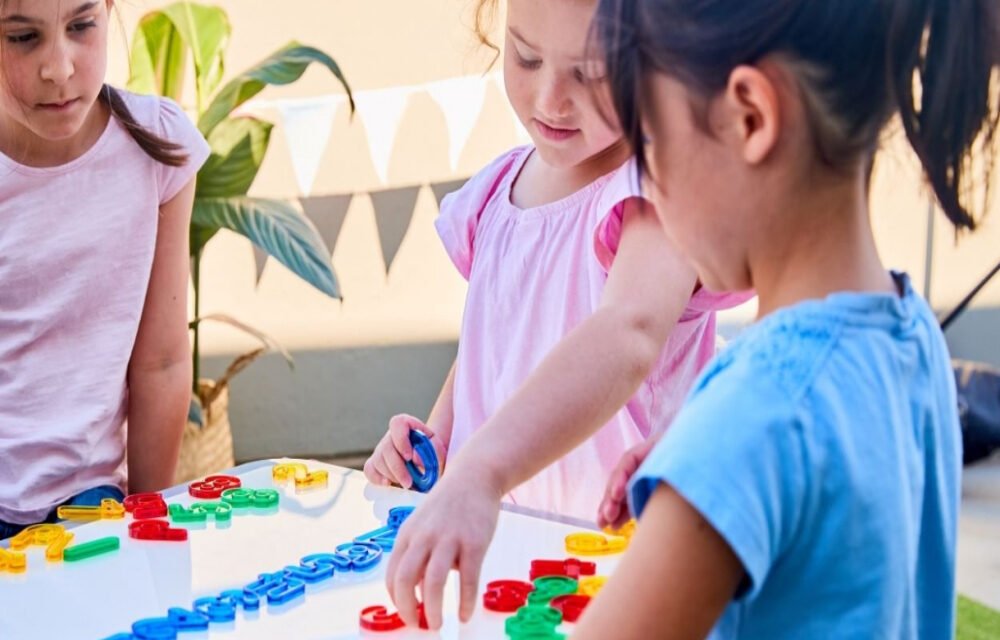
Play materials profoundly impact cognitive development in early childhood by providing opportunities for problem-solving, critical thinking, and enhanced understanding of concepts. Manipulative objects such as blocks, puzzles, and shape sorters stimulate the brain’s neural connections and improve spatial reasoning, memory, and pattern recognition. For example, building blocks help children understand geometric shapes, symmetry, and balance through hands-on engagement. Play materials that promote sorting, matching, and sequencing support development in logical thinking and classification skills. Research indicates that children who engage with diverse and stimulating play materials display better cognitive flexibility and higher academic achievement in later years.
Enhancing Language and Communication Skills
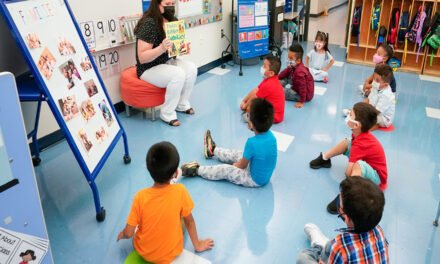
Language development is closely linked to the quality and variety of play materials available in early childhood settings. Materials such as storybooks, puppets, and dialogue-based toys foster vocabulary expansion, storytelling, and conversational skills. When children participate in pretend play with dolls, figurines, or role-play props, they practice dialogue, narrative building, and emotional expression. These activities stimulate language use in meaningful contexts, promoting fluency and expressive abilities. Play materials that encourage social interactions facilitate not only language acquisition but also pragmatic skills such as turn-taking, listening, and empathic understanding, which are vital for effective communication.
Supporting Social and Emotional Growth
Play materials are instrumental in nurturing social and emotional development. Through cooperative play with shared resources such as dress-up clothes, kitchen sets, or collaborative construction toys, children learn to negotiate, share, and resolve conflicts. These interactions build empathy, patience, and respect for others, fostering emotional regulation and social competence. Play also serves as a safe space for children to explore feelings, particularly through dramatic play and storytelling, which allow them to process experiences, fears, and aspirations. Well-designed play environments with diverse materials thus promote emotional resilience and positive social behaviors.
Fostering Creativity and Imagination
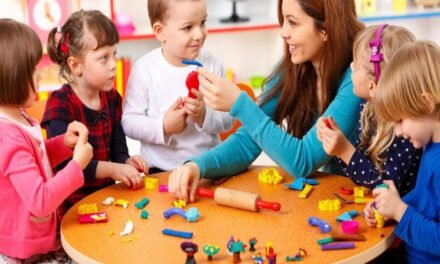
Creativity and imagination flourish in environments rich in versatile play materials. Open-ended items like clay, paint, dress-up clothes, and loose parts encourage children to invent, experiment, and express themselves freely. Creative play stimulates divergent thinking, innovation, and problem-solving skills. It also nurtures self-confidence as children see their ideas come to life through their interactions with various materials. The capacity to imagine and invent is foundational for adaptive thinking and resilience, qualities essential for lifelong learning and success.
Physical Development and Fine Motor Skills
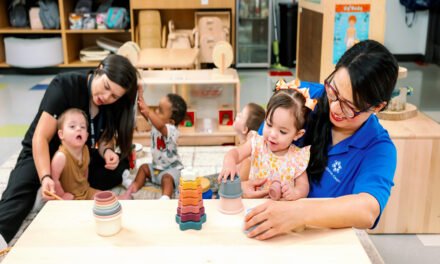
Play materials are integral to physical development, especially in strengthening fine and gross motor skills. Activities involving grasping, stacking, and threading enhance hand-eye coordination and manual dexterity. Materials such as beads, scissors, and building blocks support children in refining their motor control and spatial awareness. Gross motor skills are also developed through larger equipment like climbing frames, balls, and ride-on toys. Manipulating and engaging with these materials promote physical confidence, health, and coordination, laying the groundwork for more complex skills and tasks.
Creating Engaging and Inclusive Learning Environments
The diversity of play materials fosters inclusive learning environments where every child’s interests, abilities, and backgrounds are acknowledged. Materials that cater to different learning styles—visual, auditory, kinesthetic—ensure differentiated learning opportunities. For children with special needs, adapted and specialized materials facilitate participation and inclusion, promoting equity in learning. The presence of culturally relevant and diverse materials further supports children’s identity development and cultural understanding. An inclusive and stimulating environment underscores the importance of accessible, meaningful play experiences for all children.
Research Evidence Supporting the Impact of Play Materials
Empirical studies reinforce the significance of play materials in enhancing learning outcomes. For instance, research indicates that guided play with well-selected materials results in increased vocabulary, problem-solving skills, and social competencies. Several studies show positive correlations between engaging with specific toys or manipulatives and improvements in mathematical reasoning, literacy, and creative thinking. Conversely, some research notes the variability depending on the quality, diversity, and appropriateness of the materials used, emphasizing the importance of intentional selection and organization. Nonetheless, the evidence consistently highlights the integral role of high-quality play materials in fostering early childhood development.
Conclusion
In summary, play materials are essential to shaping meaningful, engaging, and developmentally appropriate learning experiences in early childhood education. They stimulate cognitive growth, promote language and social skill acquisition, support emotional resilience, and encourage physical development. A well-designed play environment equipped with diverse and adaptable materials can profoundly influence learning outcomes, laying the foundation for lifelong skills and positive attitudes toward learning. Recognizing the value of play materials encourages educators, parents, and policymakers to invest in quality resources that support holistic childhood development. The strategic use of play materials transforms early education into a joyful, inclusive, and effective process that prepares children for future success.
Hashtags
#PlayMaterials #EarlyLearning #ChildDevelopment #PlayBasedLearning #CognitiveDevelopment #LanguageSkills #SocialSkills #EmotionalGrowth #PhysicalDevelopment #InclusiveEducation #OpenEndedPlay #Manipulatives #CreativePlay #MotorSkills #LearningThroughPlay #EducationalResources #ChildCentered #EngagingEnvironments #DiverseMaterials #InnovativeTeaching #LifelongLearning #DevelopmentalMilestones #InclusiveClassroom #LearningOutcomes #EarlyChildhoodEducation