

Introduction
Curiosity is a powerful, innate drive that propels young children to explore, discover, and learn about the world around them. In early learning, curiosity acts as the motivating force behind children’s active engagement, questioning, and problem-solving efforts. It shapes how children interact with their environment and peers, contributing to their cognitive, social, and emotional growth. Curiosity fuels creativity, critical thinking, and resilience—all vital for early childhood development and lifelong learning. Understanding how curiosity drives early learning can help educators, parents, and caregivers nurture this essential trait to support children’s holistic development and academic success.
Curiosity as the Natural Learning Instinct
From birth, children exhibit curiosity as a natural tendency to explore their surroundings. This instinct manifests through behaviors like examining objects, attempting to reach new places, and asking questions. Such exploratory behaviors provide vital sensory and cognitive experiences. Curiosity sparks a positive feedback loop where children’s discoveries fuel further inquiry, making learning a dynamic, self-reinforcing process. This natural curiosity encourages children to be active learners rather than passive recipients of information, thus laying a strong foundation for knowledge acquisition and cognitive development.
Cognitive Development and Problem-Solving
Curiosity plays a central role in enhancing cognitive skills through exploration and experimentation. When curious, children engage deeply with their environment, testing hypotheses, making predictions, and learning cause-and-effect relationships. This active engagement fosters critical thinking and refines problem-solving abilities. For example, when a child wonders why a ball rolls downhill faster, the subsequent trials, observations, and adjustments stimulate logical reasoning. Thus, curiosity-driven learning promotes intellectual growth by encouraging children to seek answers and make connections between concepts.
Emotional and Social Benefits of Curiosity
Beyond cognition, curiosity enriches emotional and social development in early childhood. Curious children tend to be more confident and resilient because they learn to cope with uncertainty and take initiative in unfamiliar situations. Exploring new experiences requires managing emotions such as frustration or excitement, which builds emotional regulation. Socially, curiosity facilitates better communication and collaboration, as children share discoveries, ask questions, and engage in joint problem-solving. These interactions develop empathy, perspective-taking, and social skills essential for healthy relationships and community participation.
Curiosity Fosters Creativity and Innovation
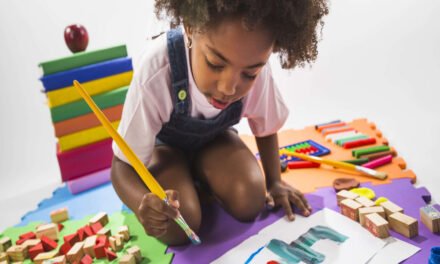
Creativity is closely tied to curiosity, as asking “what if” and “why” questions opens up imaginative possibilities. In early learning settings, curious children experiment with materials, invent new uses for objects, and generate original ideas. This exploratory play nurtures divergent thinking and flexible problem-solving, key components of creativity. Curious children are more likely to take intellectual risks and see challenges as opportunities for discovery. By fostering curiosity, educators encourage creative mindsets that not only enhance artistic expression but also contribute to innovative thinking across academic domains.
Curiosity Drives Motivation and Engagement
One of the most significant impacts of curiosity on early learning is its ability to sustain attention and engagement. When children encounter something novel or puzzling, their desire to understand it propels sustained focus and effort. This intrinsic motivation heightens learning effectiveness compared to externally imposed tasks. Curiosity turns learning into a meaningful adventure where children are self-motivated explorers. Engaged learners tend to retain information better, develop deeper understanding, and cultivate a positive attitude toward education, promoting academic persistence and success.
Environmental and Educator Roles in Nurturing Curiosity
The environment and adult interactions are pivotal in supporting children’s natural curiosity. Learning spaces rich in diverse materials, sensory experiences, and opportunities for exploration stimulate curiosity. Educators and caregivers can further nurture this drive by asking open-ended questions, encouraging inquiry, and validating children’s efforts to discover answers. Rather than providing direct solutions, guiding children to investigate fosters independence and critical thinking. Additionally, modeling curiosity by expressing wonder and enthusiasm inspires children to maintain a questioning stance throughout life.
Curiosity as a Foundation for Lifelong Learning
Early childhood curiosity sets the stage for lifelong learning habits. Children who develop a curiosity-driven approach carry it into formal schooling and beyond, continuously seeking knowledge and adapting to new challenges. Curiosity influences academic achievement and social adaptability, helping learners navigate complex, ever-changing environments. The cognitive flexibility and resilience fostered by early curiosity equip individuals for problem-solving and innovation in adulthood. Therefore, cultivating curiosity is an investment in building confident, capable, and motivated lifelong learners.
Conclusion
Curiosity is the engine that drives early learning, motivating young children to actively explore, ask questions, and make sense of their world. It fuel’s cognitive, emotional, social, and creative development by promoting engagement, problem-solving, and collaboration. Supporting curiosity through rich environments and sensitive guidance nurtures confident learners with a passion for discovery. This foundational trait not only enhances early educational outcomes but also sustains lifelong learning and adaptability. Embracing and fostering curiosity in early childhood is crucial for unlocking each child’s full potential.
Hashtags
#Curiosity #EarlyLearning #ChildDevelopment #LifelongLearning #Exploration #CriticalThinking #ProblemSolving #Creativity #Motivation #Engagement #CognitiveGrowth #SocialSkills #EmotionalDevelopment #EarlyChildhoodEducation #InquiryBasedLearning #ActiveLearning #LearningThroughPlay #BrainDevelopment #CuriosityDriven #Education #Parenting #TeachingStrategies #InnovativeLearning #ConfidenceBuilding #ChildhoodWonder