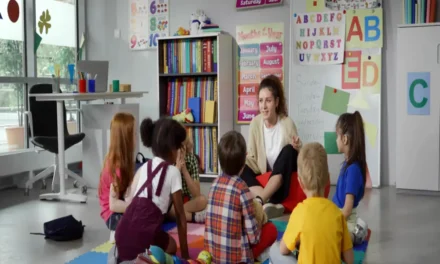


Emotional Safety as a Foundation for Learning
- Children who feel emotionally safe are more open, curious, and willing to engage in learning activities.
- Emotional security reduces anxiety and stress, allowing cognitive functions like attention and memory to operate optimally.
- A supportive environment fosters confidence, encouraging risk-taking and experimentation essential for academic growth.
- Emotional safety builds trust between teachers and students, enhancing motivation and participation.
- Without emotional safety, academic pressures can lead to disengagement and burnout.
Connection Between Emotional Well-being and Academic Performance
- Studies show students with higher emotional security demonstrate better concentration and problem-solving abilities.
- Positive emotions facilitate better information processing, retention, and creativity in learning.
- Chronic stress and fear of failure impair academic achievement and school attendance.
- Socio-emotional security correlates with higher grades, engagement, and school completion rates.
- Mental well-being influences behavior, making emotional safety integral to learning outcomes.
Balanced Focus on Emotions and Academics
- Emotional safety and academic rigor are interdependent, not mutually exclusive.
- Prioritizing emotional support does not mean neglecting academic standards; rather, it enhances learning capacity.
- Teachers can integrate social and emotional learning with academic content effectively.
- A balanced approach addresses whole-child development, preparing students for lifelong success.
- Schools fostering emotional safety often report improved academic results alongside behavioral benefits.
Role of Teachers in Creating Emotionally Safe Classrooms
- Teachers can establish emotional safety through empathy, active listening, and consistent positive reinforcement.
- Building meaningful relationships and recognizing individual needs promotes inclusivity and respect.
- Classroom management strategies that focus on support rather than punishment contribute to safety.
- Encouraging mistakes as learning opportunities removes fear and builds resilience.
- Teacher training on emotional intelligence is crucial for sustaining emotionally supportive environments.
Challenges and Implications for Policy
- High-stakes testing and competitive environments can undermine emotional safety and student well-being.
- Educational policies should promote mental health resources, reduced pressure, and supportive pedagogy.
- Integrating social-emotional learning frameworks into curricula benefits emotional safety and academics.
- Advocacy for holistic education models is increasing worldwide.
- Prioritizing emotional safety creates healthier, more effective learning environments for all students.