

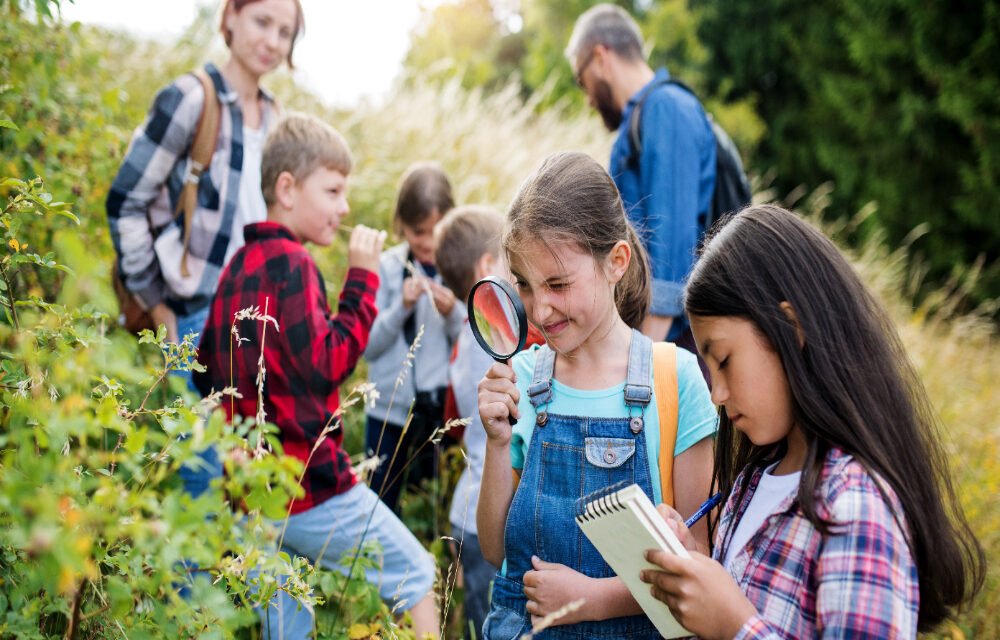
Improvement in Academic Performance
- Research shows that students engaged in outdoor education demonstrate improved academic outcomes, including higher test scores and enhanced problem-solving skills.
- Hands-on, experiential learning in natural settings increases relevance and retention of academic content.
- Outdoor activities provide opportunities to apply cross-disciplinary knowledge, promoting deeper understanding.
- Exposure to nature stimulates curiosity and creativity, which supports cognitive development.
- Schools incorporating outdoor education observe increased enthusiasm and motivation to learn.
Physical and Mental Health Benefits
- Outdoor education encourages active learning, contributing to improved physical fitness and motor skills.
- Access to natural environments reduces symptoms of ADHD, anxiety, and stress in children.
- Spending time outdoors is linked to better sleep patterns and overall psychological well-being.
- Nature-based learning enhances sensory integration and body awareness.
- Children in outdoor settings exhibit higher energy levels and reduced illness rates.
Social and Emotional Development
- Outdoor learning environments facilitate social interactions, cooperation, and leadership skills.
- Nature-based education supports children’s self-confidence and independence.
- Group activities foster empathy, communication, and conflict resolution.
- Children develop a sense of responsibility toward their peers and the environment.
- Outdoor experiences promote emotional resilience and reduce behavioral problems.
Enhanced Engagement and Creativity
- Students show greater engagement and participation during outdoor learning compared to traditional classrooms.
- Natural settings provide diverse stimuli that inspire creative play and inquiry-based learning.
- Outdoor education encourages exploration, experimentation, and autonomous learning.
- The change of environment contributes to reduced boredom and increased cognitive stimulation.
- Creative thinking and imagination flourish in outdoor contexts.
Environmental Awareness and Civic Responsibility
- Learning outdoors cultivates a strong sense of place and environmental stewardship among students.
- Children develop positive attitudes towards nature and sustainable behaviors.
- Outdoor education promotes understanding of ecological systems and human impacts.
- Engagement with local communities during outdoor activities fosters civic attitudes.
Early exposure to nature-based learning builds foundations for lifelong environmental responsibility.