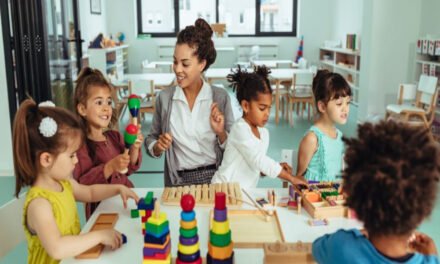

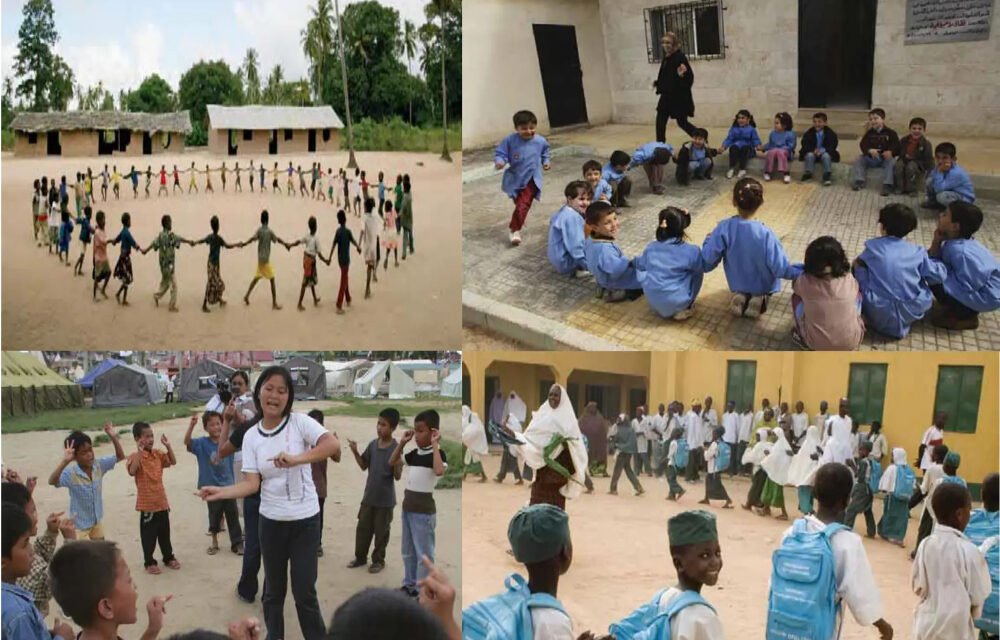
UNICEF has been actively promoting Child-Friendly School (CFS) models globally, focusing on creating inclusive, safe, and supportive learning environments tailored to children’s rights and needs. These models prioritize the holistic development of children by emphasizing inclusiveness, effectiveness, safety, gender sensitivity, and active community participation. Child-friendly schools aim to ensure that every child, especially those from marginalized or vulnerable populations, can access quality education in an environment that respects and supports their dignity and potential.
Implementation of the CFS model involves transforming traditional schools into places where children feel safe and motivated, and where teaching approaches are child-centric and participatory. Schools adopting this model provide environments that support emotional, physical, and cognitive development through interactive learning methods and supportive teacher-student relationships. Another fundamental feature of the model is promoting equity, whereby schools actively work to eliminate gender disparities and accommodate children with disabilities or special educational needs.
UNICEF promotes comprehensive teacher training as a core component of the CFS approach, equipping educators with skills to foster inclusive classrooms, adapt pedagogy to diverse needs, and uphold children’s rights. Additionally, strong family and community involvement are encouraged to create a collaborative ecosystem for children’s education. This partnership helps align home and school practices, improves attendance, reduces dropout rates, and enhances student well-being and academic achievement.
Globally, the CFS model has demonstrated significant positive outcomes in countries where implemented, including improved school attendance, higher academic achievements, and greater participation by children from disadvantaged groups. UNICEF continues to support governments by providing technical assistance and policy guidance to mainstream CFS principles into national education systems. This approach not only contributes to achieving equitable access to quality education but also fosters environments where children can thrive, preparing them for lifelong learning and active citizenship.